Quick Summary
- Marijuana toxicity is increasingly common in pets due to wider availability and potency of cannabis products
- Dogs and cats are more sensitive to THC than humans due to more cannabinoid receptors in their brains
- Common signs include wobbliness, drooling, dilated pupils, urinary incontinence, and altered behaviour
- Edibles containing chocolate or xylitol pose additional serious risks
- At PMV, we never report marijuana access to authorities—honesty helps us provide the best care and saves you time and money
- Most pets recover fully with appropriate veterinary treatment
- Prevention is key: store all cannabis products securely out of pets’ reach
Understanding Marijuana Toxicity in Pets
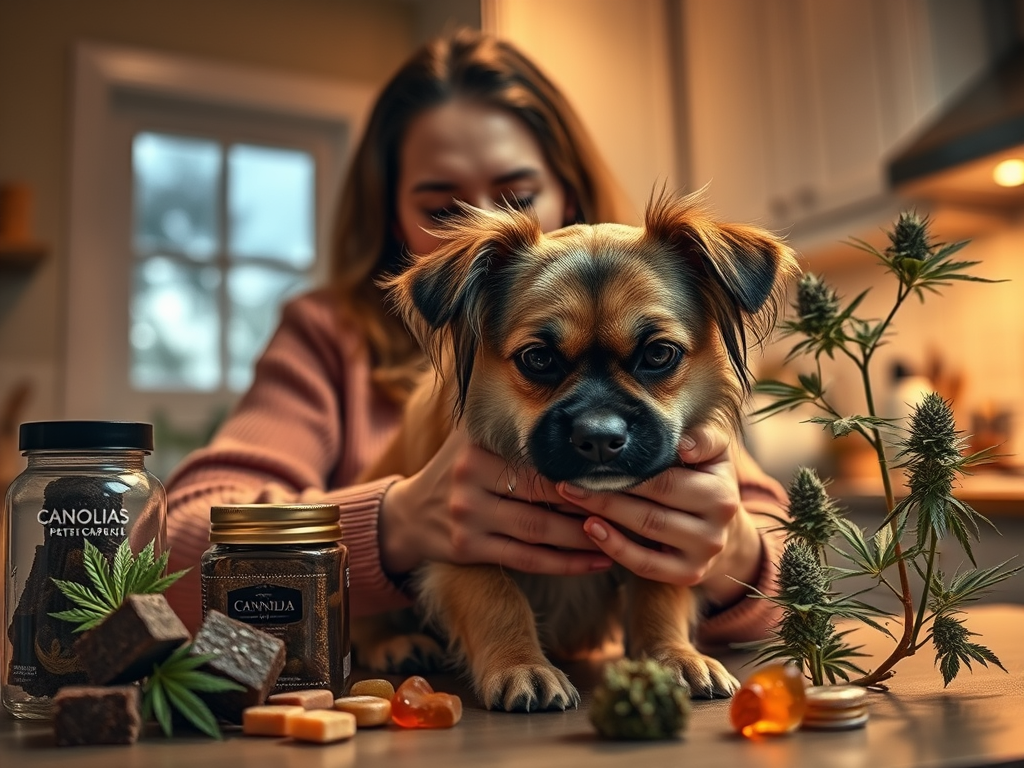
Marijuana toxicity in dogs and cats has become increasingly common as cannabis products have become more widely available and socially accepted. Whether it’s dried plant material, edibles, oils, or even secondhand smoke, pets can be exposed to tetrahydrocannabinol (THC)—the psychoactive compound in marijuana—in various ways.
The good news? Most pets recover completely with prompt veterinary care. The challenge? Many pet owners hesitate to mention marijuana exposure due to legal concerns or embarrassment, which can delay diagnosis and treatment.
Here’s what you need to know: At Personalised Mobile Vet, we are not obligated to report marijuana access, and we never will. Your honesty allows us to provide the best possible care for your pet, often saving significant time and money by avoiding unnecessary diagnostic tests.
Why Are Pets More Affected Than Humans?
Dogs and cats have a higher concentration of cannabinoid receptors in their brains compared to humans, making them far more sensitive to THC. Even small amounts can cause significant toxicity.
Additionally, pets don’t understand moderation. A dog who finds a bag of cannabis-infused brownies won’t stop at one—they’ll eat the lot. This means pets often consume much larger doses relative to their body weight than a human ever would.
Routes of Exposure
Pets can be exposed to marijuana through:
- Ingestion of plant material (buds, leaves, stems)
- Edibles (brownies, cookies, gummies, butter)
- Oils and tinctures
- Vaping liquids
- Secondhand smoke (less common but possible)
- Discarded roaches or ashtrays
Edibles are particularly dangerous because they often contain other toxic ingredients like chocolate, xylitol (a deadly artificial sweetener), raisins, or macadamia nuts. In these cases, the marijuana itself may be the least of your worries.


Clinical Signs of Marijuana Toxicity
The effects of marijuana toxicity typically appear within 30 minutes to 3 hours after exposure and can last anywhere from a few hours to several days, depending on the dose and form ingested.
Common Signs Include:
- Neurological signs: Wobbliness (ataxia), disorientation, lethargy, or hyperactivity
- Behavioural changes: Anxiety, agitation, or appearing “spaced out”
- Dilated pupils that react slowly to light
- Drooling or excessive salivation
- Urinary incontinence (dribbling urine without realising)
- Vomiting or diarrhoea
- Slow heart rate (bradycardia) or, less commonly, rapid heart rate
- Low body temperature (hypothermia)
- Tremors or seizures (in severe cases)
- Sensitivity to sound or touch
In rare cases, very high doses can lead to more serious complications such as coma or, extremely rarely, death—though fatalities are uncommon with appropriate veterinary care.


When to Call Your Vet
Contact your vet immediately if:
- Your pet is showing any of the signs listed above
- You know or suspect your pet has ingested marijuana or cannabis products
- Your pet has eaten edibles containing chocolate, xylitol, raisins, or other toxic ingredients
- Your pet’s symptoms are worsening or not improving after a few hours
- Your pet is having seizures, is unresponsive, or is struggling to breathe
Time is important. The sooner we know what your pet has been exposed to, the faster we can provide appropriate treatment and supportive care.
And remember: we will never judge you, and we will never report you. Our only concern is your pet’s health and wellbeing.
Diagnosis and Treatment
Diagnosis
Diagnosis is often based on history and clinical signs. If you’re upfront about potential marijuana exposure, we can move straight to treatment without needing to run expensive and time-consuming tests to rule out other causes.
In some cases, urine tests can detect THC, but these aren’t always necessary if the history is clear.
Treatment
There is no specific antidote for marijuana toxicity, so treatment focuses on supportive care:
- Decontamination: If ingestion was recent (within 1-2 hours), we may induce vomiting or administer activated charcoal to reduce absorption
- Intravenous fluids: To support hydration and help flush the toxin from the system
- Temperature regulation: Warming if hypothermic
- Monitoring: Keeping a close eye on heart rate, blood pressure, and neurological status
- Sedation or anti-anxiety medication: If your pet is extremely agitated or distressed
- Hospitalisation: In severe cases, overnight monitoring may be necessary
Most pets begin to improve within 12-24 hours and make a full recovery within 1-3 days.
Prognosis
The prognosis for marijuana toxicity is generally excellent with appropriate veterinary care. Most pets recover completely without long-term effects.
However, complications can arise if:
- The dose ingested was very high
- The product contained other toxic ingredients (chocolate, xylitol, etc.)
- Treatment was delayed
- The pet has underlying health conditions
This is why early intervention and honesty about exposure are so important.
Prevention Tips
The best way to protect your pet from marijuana toxicity is prevention:
- Store all cannabis products securely in childproof containers, well out of reach of pets
- Dispose of roaches, ashtrays, and packaging carefully
- Keep edibles in sealed containers in cupboards or the fridge
- Educate guests and housemates about the risks to pets
- Supervise your pet in areas where cannabis products are used or stored
- Be cautious with secondhand smoke—while less likely to cause severe toxicity, it can still affect pets, especially in enclosed spaces
Final Thoughts
Marijuana toxicity in pets is becoming more common, but it’s also highly treatable when addressed promptly. The most important thing you can do is be honest with your vet about what your pet may have been exposed to.
At Personalised Mobile Vet, we’re here to help—not to judge. We understand that accidents happen, and our only priority is getting your pet back to feeling like themselves as quickly as possible.
If you suspect your pet has ingested marijuana or any cannabis product, don’t hesitate to reach out. The sooner we can start treatment, the better the outcome.
References
American Veterinary Medical Association (n.d.) Marijuana toxicity in pets. Available at: https://www.avma.org (Accessed: 9 December 2025).
Animal Poison Control Center (n.d.) Cannabis toxicity in pets. Available at: https://www.aspcapro.org (Accessed: 9 December 2025).
Brutlag, A. and Hommerding, H. (n.d.) Toxicology brief: Marijuana toxicity in dogs and cats. Available at: https://www.dvm360.com (Accessed: 9 December 2025).
Fitzgerald, K.T., Bronstein, A.C. and Newquist, K.L. (2013) ‘Marijuana poisoning’, Topics in Companion Animal Medicine, 28(1), pp. 8-12.
Meola, S.D. et al. (2012) ‘The clinical toxicology of marijuana in dogs and cats’, Journal of Veterinary Emergency and Critical Care, 22(6), pp. 631-638.
Pet Poison Helpline (n.d.) Marijuana toxicity in pets. Available at: https://www.petpoisonhelpline.com (Accessed: 9 December 2025).
Puschner, B. (n.d.) Cannabis toxicity in dogs and cats. Available at: https://www.vin.com (Accessed: 9 December 2025).
Teitler, J. (n.d.) Marijuana intoxication in dogs and cats. Available at: https://www.merckvetmanual.com (Accessed: 9 December 2025).
Today’s Veterinary Practice (n.d.) Managing marijuana toxicity in dogs and cats. Available at: https://todaysveterinarypractice.com (Accessed: 9 December 2025).
Veterinary Partner (n.d.) Marijuana intoxication in pets. Available at: https://veterinarypartner.vin.com (Accessed: 9 December 2025).
Wismer, T. (n.d.) Marijuana toxicity: What veterinarians need to know. Available at: https://www.veterinarypracticenews.com (Accessed: 9 December 2025).











Leave a Reply